Masseter BOTOX®: What You Need to Know
Posted May 05, 2026 in BOTOX® Cosmetic
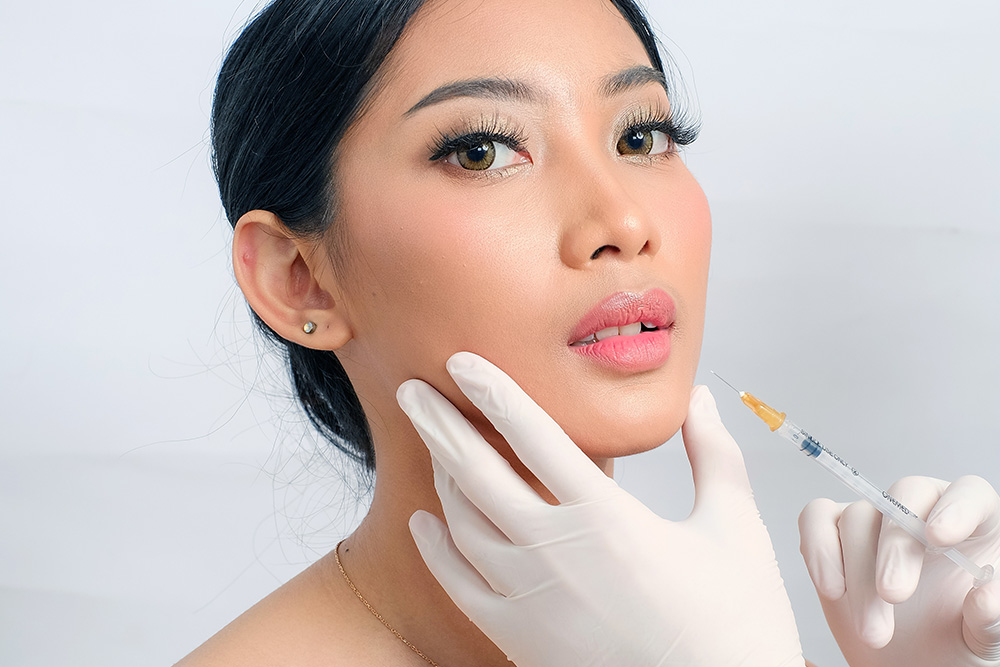
If you struggle with a tense jaw, teeth grinding, or a wider lower face than you’d like, you may be considering masseter BOTOX®. Masseter BOTOX® is used to target the muscles in your lower face, temporarily reducing their activity. This can relieve jaw clenching and slim your lower-face contour. In this blog, we’ll discuss what masseter BOTOX® is, what to expect from the treatment, and whether it’s right for you.
5 Min Read:
Table of Contents
- What Is Masseter BOTOX®?
- Benefits of Masseter BOTOX®
- Who Is an Ideal Candidate for Masseter BOTOX®?
- What to Expect During Treatment
- When Will You See Masseter BOTOX® Results?
- Masseter BOTOX® Recovery and Aftercare
- Is Masseter BOTOX® FDA-Approved?
- Finding the Right Provider in Fresno, CA
- FAQs About Masseter BOTOX®
What Is Masseter BOTOX®?
Masseter BOTOX® refers to a series of botulinum toxin injections placed into the masseter muscles on each side of your jaw. These muscles help you chew and clench. However, when they are overactive or enlarged, they can contribute to jaw tension, teeth grinding, a square lower face, and, in some patients, facial pain or morning soreness. Botulinum toxin works by blocking signals that trigger muscle contraction, so the treated muscle gradually relaxes and can become less prominent over time.
Benefits of Masseter BOTOX®
Results depend on your individual needs and goals. Masseter BOTOX® can provide you with a wider, boxier lower face by enhancing your jaw muscles. If you’re seeking a cosmetic adjustment, you can expect skinnier facial contouring.
If you’re looking for medical relief, masseter BOTOX® can help with jaw clenching, jaw muscle tension, facial soreness, or bruxism-related discomfort. Bruxism is the repeated, involuntary grinding or clashing of teeth, usually induced by anxiety or certain sleep disorders. This increased muscle activity can stress your masseter muscles and cause jaw pain. It’s also widely used to treat and manage temporomandibular joint (TMJ) disorders, which are a variety of jaw-joint and muscle dysfunction characterized by tenderness, clicking, and limited jaw mobility.
Who Is an Ideal Candidate for Masseter BOTOX®?
Ideal candidates for masseter BOTOX® typically experience jawline fullness caused by muscle bulk rather than excess fat or loose skin. You may also be a candidate if your teeth clenching or grinding seems to come from overactive chewing muscles. Much like BOTOX® Cosmetic procedures, ideal candidates are adults who are physically healthy, not pregnant or nursing, and without neuromuscular disease.
You may not be a good candidate if your primary concerns are jowling (sagging of the jawline), loose skin, or changes in facial volume. In those cases, another approach may be best. A consultation is recommended to review your medical history and determine which procedure suits your body and goals.
What to Expect During Treatment
Masseter BOTOX® is a quick, nonsurgical injectable treatment. At Aspire MediSpa, you can expect a thorough evaluation of your jawline and precise mapping of safe injection points. The injections themselves are brief and easily tolerable.
It’s important that results are not immediate. BOTOX® Cosmetic patients often begin seeing changes within a few days, while the effects last roughly four to six months. However, with masseter treatment, slimming tends to develop more gradually because the muscle needs time to relax and shrink.
When Will You See Masseter BOTOX® Results?
Patients seeking relief from jaw clenching may notice improvement within a week, with full effects taking up to two weeks to appear. However, purely cosmetic adjustments usually take longer because the muscle has to shrink gradually rather than simply reducing movement. It’s a progressive effect that may take several weeks or months; it will not be an overnight result.
Because the treatment is temporary, repeat sessions are usually needed to protect your results. Repeat injections can help maintain both masseter and chewing muscle changes resulting from treatment.
Masseter BOTOX® Recovery and Aftercare
Masseter BOTOX® involves little downtime. Most patients return to light or normal daily activity the same day. Aftercare typically focuses on protecting the injection sites for the first several hours and avoiding unnecessary pressure or strenuous activity right away. For patients with busier lifestyles and schedules, it’s important to keep this caution in mind.
Mild swelling, tenderness, or bruising can occur following treatment. These effects are usually temporary, but any unusual weakness, bite changes, or smile asymmetry should be reported to your injector.
Is Masseter BOTOX® FDA-Approved?
In the United States, BOTOX® Cosmetic is FDA-approved for forehead lines, crow’s feet, frown lines, and platysma bands. However, while masseter BOTOX® is widely recognized as equally safe and effective, it’s not technically approved for jaw slimming or relief from clenching.
This means masseter BOTOX® is considered off-label. Off-label treatment is very common in medicine, but it should be performed only after careful evaluation by a qualified injector who understands facial anatomy and the function of the jaw muscles.
Finding the Right Provider in Fresno, CA
Masseter BOTOX® treatment is not the same as treating forehead lines. The masseter muscle is responsible for chewing and lower-face balance, so treatment requires a strong understanding of anatomy, dosing, and facial proportions. If you’re in Fresno, CA, and want to learn more about masseter BOTOX®, board-certified plastic surgeon Dr. Mark Chin and a team of highly trained aesthetic professionals will provide you with a detailed overview of your needs and goals.
For 20 years, Aspire MediSpa has provided Central California with tailored treatment planning and a precise understanding of injections. Dr. Chin himself will oversee your injectable treatments as the medical director. You can expect trained medical professionals to administer highly personalized, thoughtful care from consultation through recovery, resulting in natural-looking outcomes and a more youthful appearance.
FAQs About Masseter BOTOX®
Is masseter BOTOX® only for jaw slimming?
No. Some patients use it to achieve a slimmer lower face, while others are more interested in reducing jaw clenching or teeth grinding. The procedure may help with both concerns in certain patients.
Does masseter BOTOX® cure TMJ?
It’s important to note that masseter BOTOX® is not a cure for TMJ disorders. While effective at managing certain muscle-related symptoms, it’s often used alongside other therapies that support it. Proper diagnosis is vital in determining the appropriate treatment for your condition.
How long does masseter BOTOX® last?
Botulinum toxin effects are temporary, typically lasting four to six months. The exact timing varies depending on the patient and treatment area.
Is masseter BOTOX® safe?
While safe when performed by a qualified injector, it’s still a medical treatment with risks and is off-label in the U.S. Safety depends on proper evaluation, technique, dosing, and follow-up.
Will it make my face look unnatural?
The goal of masseter BOTOX® treatment is balance, not overcorrection. Aspire MediSpa emphasizes natural-looking results and strategic placement, which are especially important in the lower face.
Schedule Your Masseter BOTOX® Consultation in Fresno, CA
Before moving forward with masseter BOTOX®, the first step is finding out whether botulinum toxin treatment is the right option for your goals. Dr. Chin and our team at Aspire MediSpa offer a transparent, medically supervised approach, evaluating your jaw muscles and providing you with detailed information about your expectations. At your personalized consultation, we will assess your anatomy, medical history, and candidacy.
If you’re in Fresno or the surrounding areas and you’re wondering what masseter BOTOX® can do for you, a visit to Aspire MediSpa can answer your questions. To get in touch and schedule your consultation today, call our office at (559) 435-8477 or complete our online contact form.